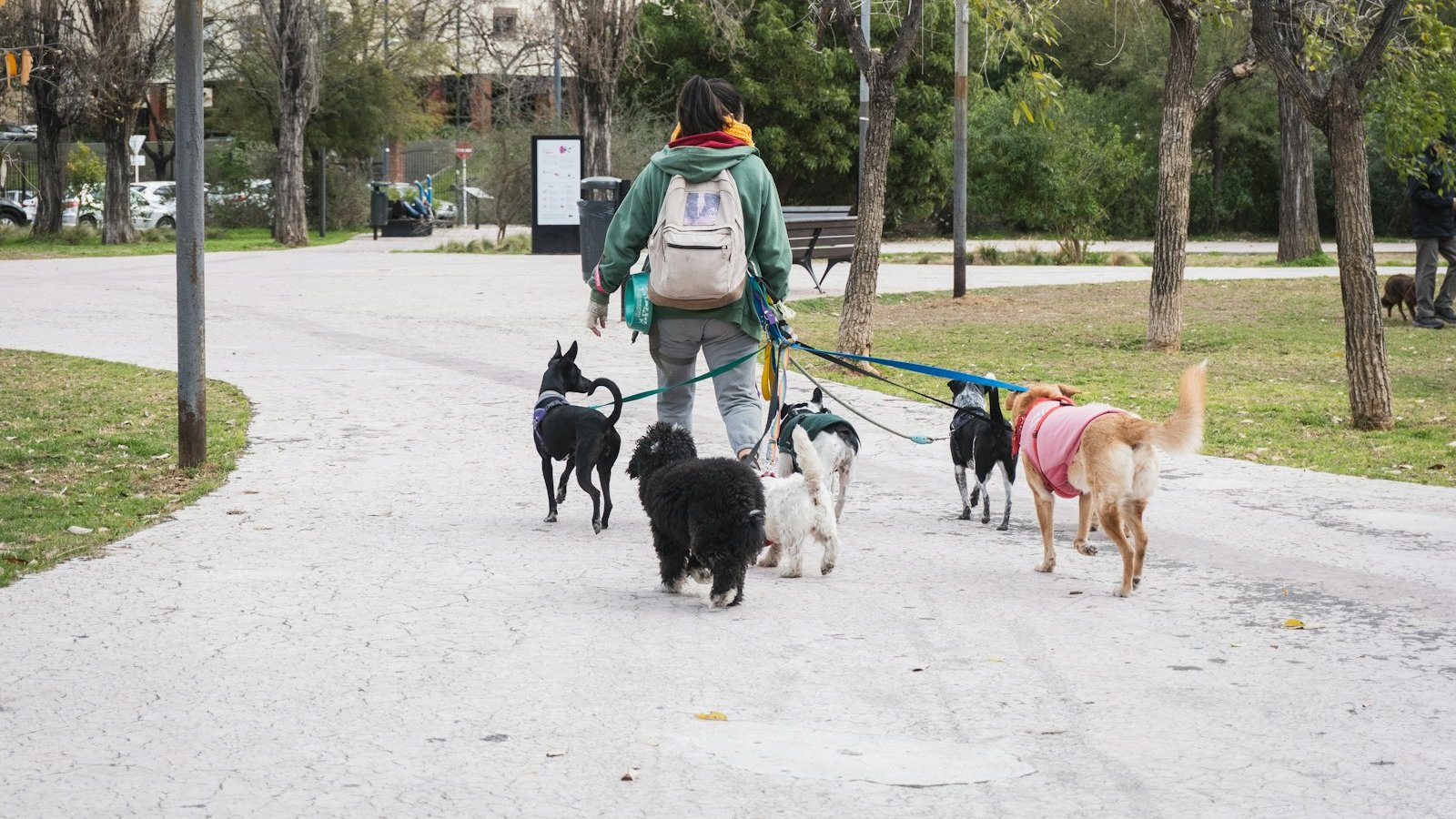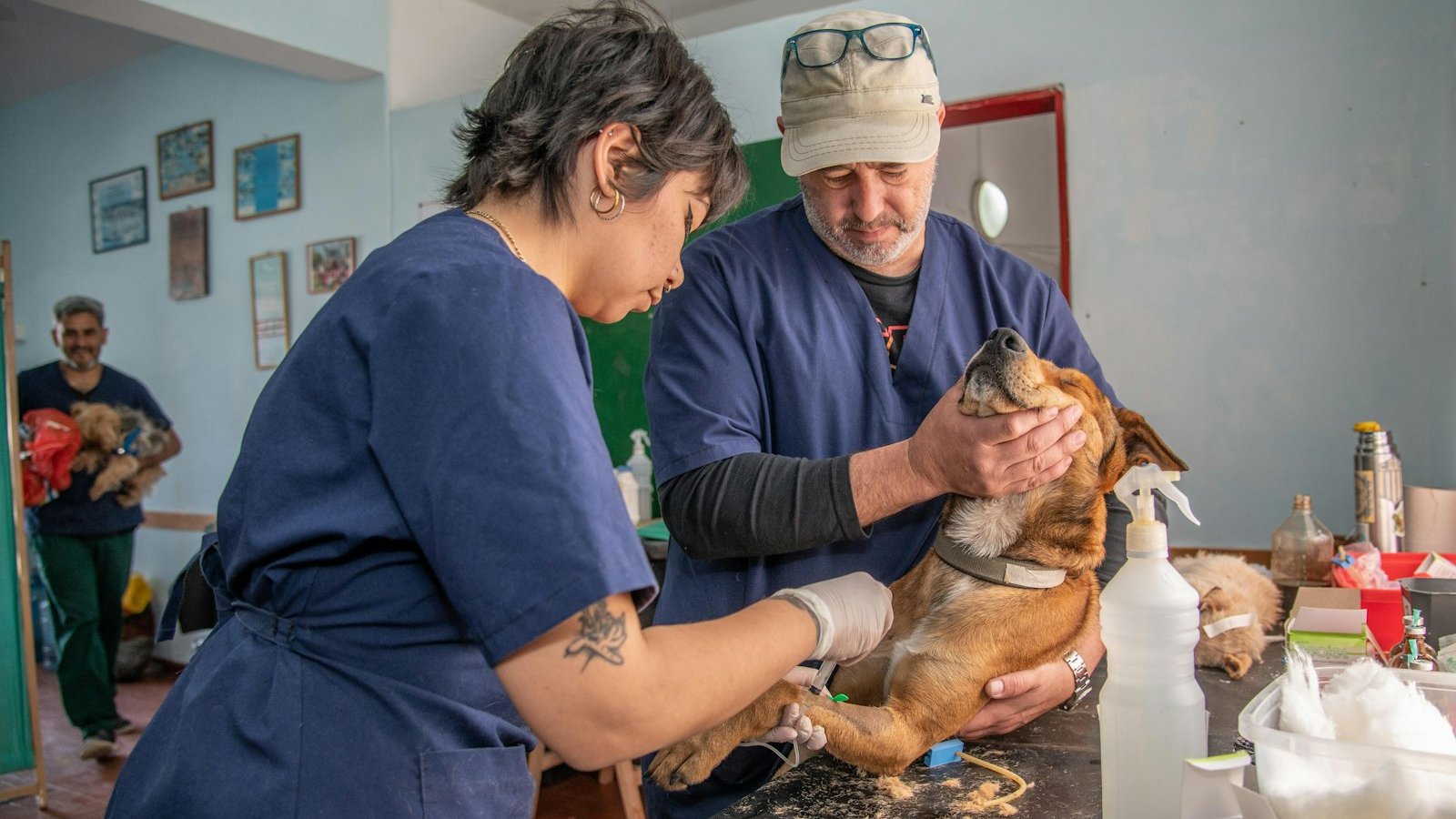
Even with flawless work, the unexpected can happen: a dog hurts itself, a cat refuses food, a pet suddenly feels unwell. Staying calm and having a plan ready in advance is what separates a professional sitter from everyone else. Here is the order of action.
Prepare in advance, on every booking
At the meet and greet, take the owner's contact details, the vet's name and address, and information about chronic conditions and medication. Ask what to do in an emergency and whether the owner has a preferred clinic. Preparation solves half the problem before it starts.
Stay calm and assess the situation
In an emergency your pet reads your anxiety. Act calmly and judge how serious things really are: a small scratch is one thing, while laboured breathing or heavy bleeding is a reason to go to the vet immediately.
A basic kit and first aid
It helps to carry a minimal kit: wipes, a bandage and gloves (see our guide to the essential first aid kit for dogs and cats). Never give human medication, as many human drugs are dangerous for animals. With a serious injury, the priority is getting the pet to a doctor quickly, not treating it yourself.
Contact the owner as early as possible
Tell the owner what happened, calmly and factually. If the situation is urgent, act to save the pet and inform the owner at the same time. Honesty and speed protect trust. It is also worth knowing the basics of sitter safety, keys, access and boundaries.
When to go straight to the vet
Go to the vet immediately for heavy bleeding, laboured breathing, seizures, suspected poisoning (see foods and plants dangerous for pets), severe pain, a swollen abdomen or loss of consciousness. In these cases, minutes count.
Write everything down
Once the pet has received help, record what happened and what you did. It protects you and helps both the owner and the vet. Working through the app keeps a history of the conversation.
Frequently Asked Questions
What should I do first if a pet is injured? Assess how serious it is. If there is a threat to life, take the pet to the vet and inform the owner straight away.
Can I give a pet human medication? No, many human drugs are toxic to animals. Only if a vet tells you to.
How do I prepare for emergencies in advance? At the meet and greet, collect the owner's and vet's contact details and health information, and agree on a plan of action.
Work confidently and with protection. Manage your bookings through the Flat4Pet app, where all the information and history are at your fingertips.
Book trusted, verified London caregivers in seconds.