Bad breath is not just unpleasant, it is usually the first sign of dental disease. By the time an owner notices it, plaque has often already hardened into tartar under the gumline. A short routine at home prevents most of it.
Why dental care matters beyond the smell
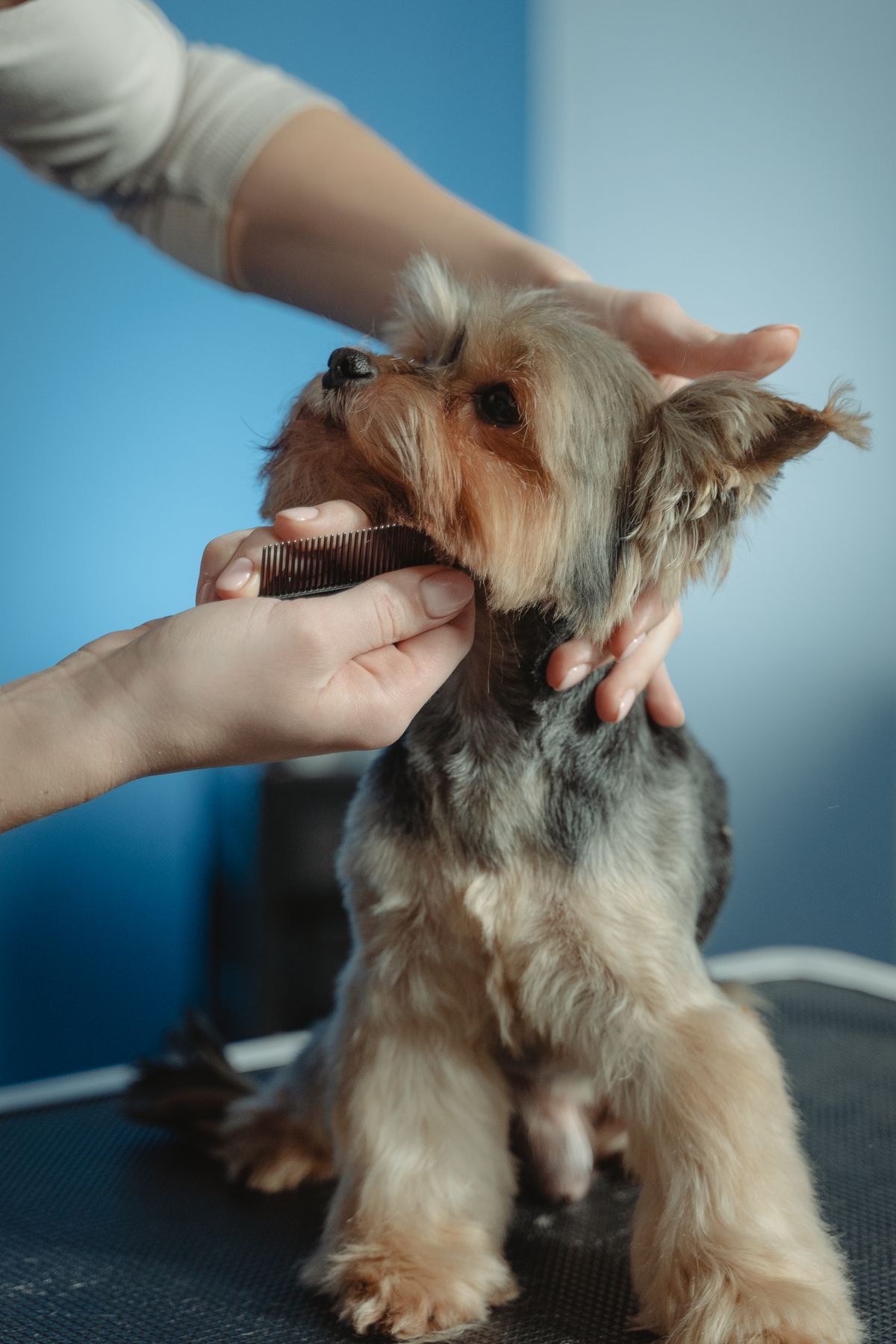
Untreated plaque leads to gum inflammation, then to periodontal disease, loose teeth and pain that many pets simply hide. Bacteria from an infected mouth can also reach the bloodstream and put extra strain on the heart, liver and kidneys over time. It is one of the most common health problems in dogs and cats, and one of the most preventable, which pairs naturally with the rest of a pet's home grooming routine.
Brushing: the single most effective habit
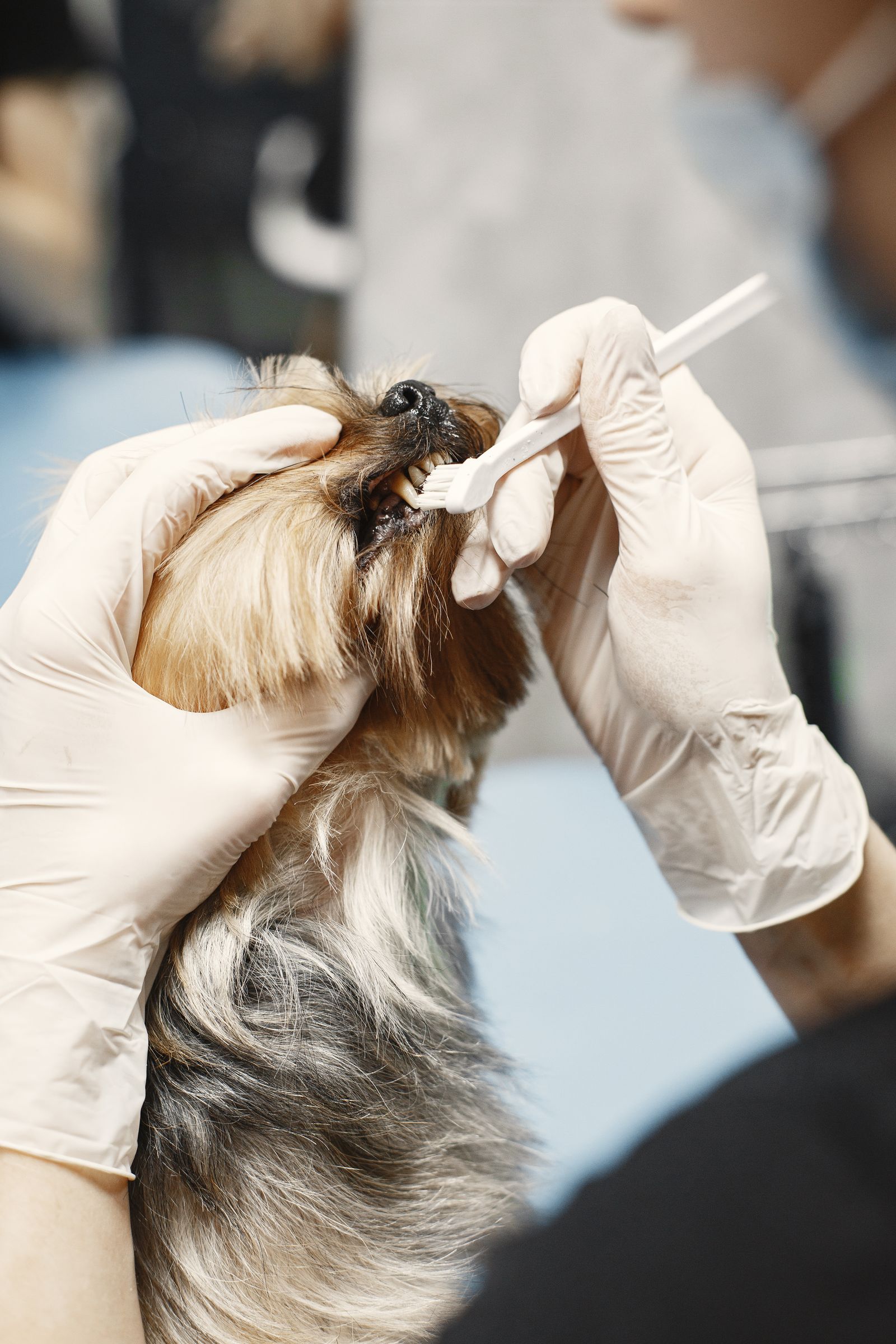
Daily brushing is the gold standard, but three or four times a week already makes a real difference. Use a pet-specific toothbrush, or a finger brush for a smaller mouth, and a toothpaste made for animals; human toothpaste often contains xylitol or fluoride levels that are unsafe for pets. Focus on the outer surface of the teeth, where plaque builds up fastest, and keep sessions short so your pet does not come to dread them.
What else actually helps
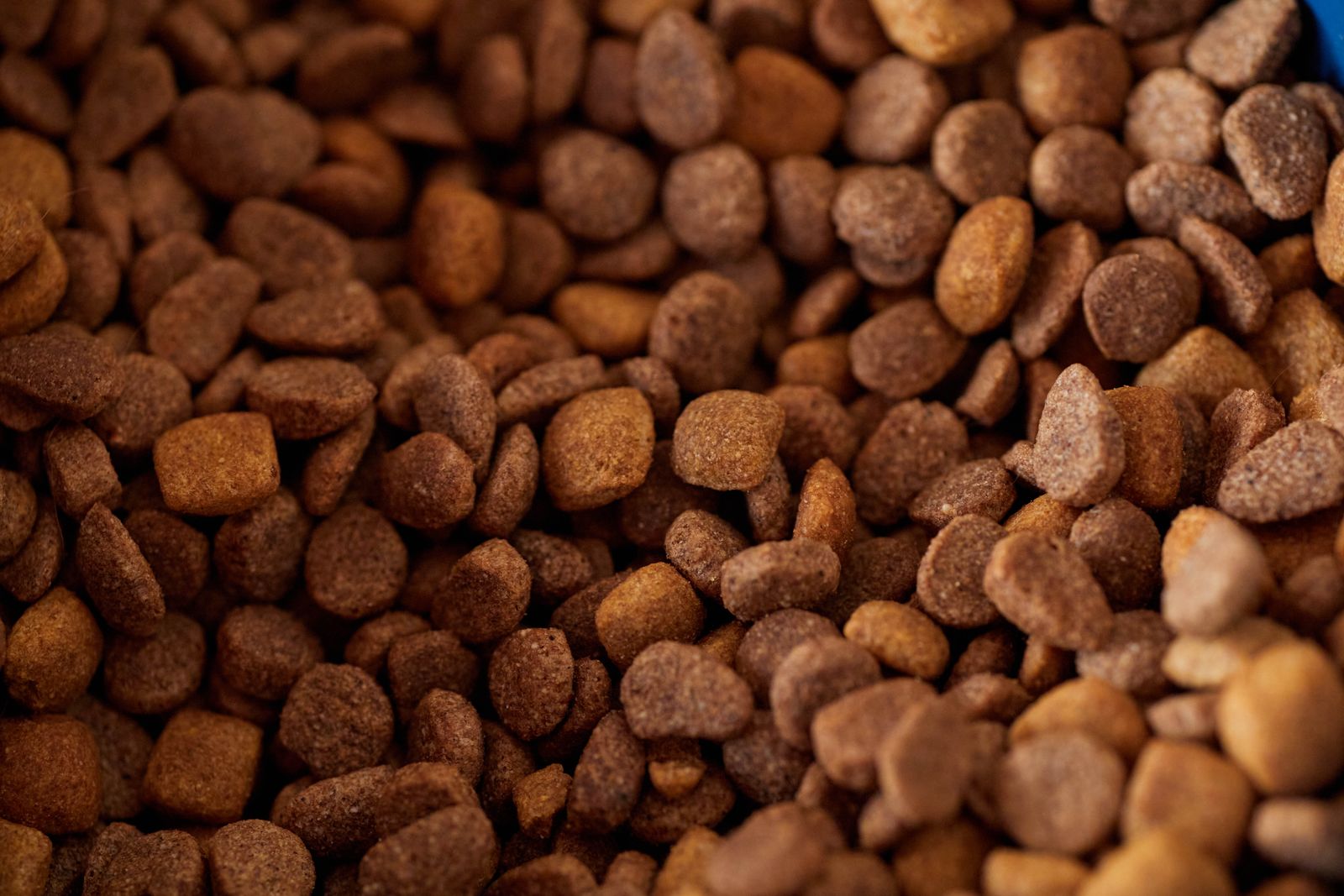
Dental chews and specially textured kibble can reduce plaque mechanically as a pet chews, though they support brushing rather than replace it. Water additives and dental wipes are useful backups for a pet that will not tolerate a brush yet. What a pet eats matters too, sugary table scraps and soft treats cling to teeth far more than a normal diet, which is one more reason to read the label before choosing chews and treats.
Warning signs to watch for
Persistent bad breath, red or bleeding gums, yellow or brown build-up on the teeth, dropping food while eating, pawing at the mouth and reduced appetite all point to a problem that needs attention. Pets are good at masking pain, so a change in eating habits is often the clearest signal something is wrong.
When to see a vet
A professional cleaning under anaesthesia is the only way to remove tartar below the gumline and check for loose or infected teeth. Most vets recommend a dental check at least once a year, more often for small breeds and older pets, who are more prone to dental disease. A cracked or badly infected tooth is not a wait-and-see situation, treat it as you would any other injury, with the same urgency as the items in a pet first aid kit.
Getting a pet used to the routine
Start slowly: let your pet lick a bit of pet toothpaste off your finger first, then touch the teeth and gums briefly before introducing the brush. Keep every session positive with praise or a treat afterward, and build up the duration gradually rather than aiming for a full clean on day one.
Frequently Asked Questions
How often should I brush my pet's teeth? Daily is ideal, three to four times a week is a realistic minimum that still makes a difference.
Can dental chews replace brushing? No, they help mechanically but do not reach every surface the way a brush does.
Is bad breath always a dental problem? Usually, but persistent bad breath can also signal other health issues, so it is worth a vet check if it does not improve with a dental routine.
No time for a daily routine? Experienced Flat4Pet sitters can help keep up your pet's care schedule. Book in the app.
Book trusted, verified London caregivers in seconds.