For people, fireworks are a celebration. For many dogs and cats they are sudden, loud explosions with no explanation and no way out. In London the bangs often start well before Bonfire Night on 5 November and carry on through Diwali and New Year's Eve. With a little preparation you can make these evenings much easier for your pet.
Know the signs of fear
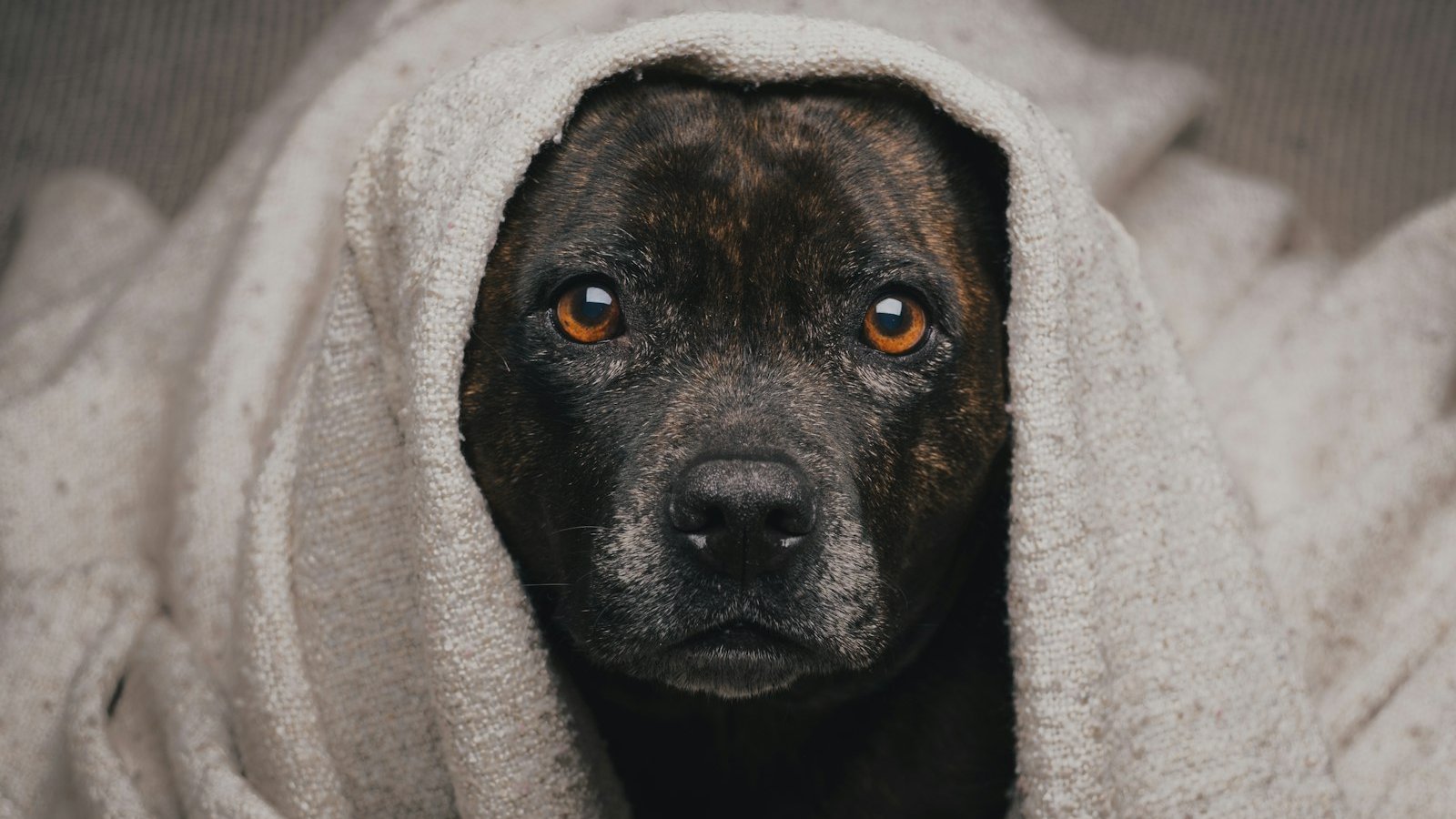
A frightened pet does not always howl or hide under the bed. In dogs, watch for panting, trembling, pacing, drooling, clinging to you, tucked tail or trying to escape. Cats tend to disappear, flatten themselves, refuse food or stop using the litter tray. Many of these signals are easy to miss, so it helps to know your pet's normal body language and the typical signs of stress in cats.
Prepare a safe den in advance
Set up a quiet hiding place a week or two before fireworks season, so it feels familiar rather than new. For a dog, this can be a crate or a corner covered with a blanket, with a bed and a favourite toy inside. Cats prefer to hide up high or in a closed space, such as the top of a wardrobe or a cardboard box. Let your pet go there whenever it wants and never pull it out.
Plan the evening
- Walk your dog before dusk, on a lead, even in a park where it usually runs free. A dog that panics at a bang can bolt.
- Bring cats in before it gets dark, lock the cat flap and put a litter tray indoors.
- Feed a little earlier than usual: an anxious pet often refuses to eat later.
- Close windows and curtains, and switch on the TV or calm music to soften the sound of bangs.
- Stay at home if you can, and do not take your dog to a fireworks display.
- Check that your pet's ID tag and microchip details are up to date, just in case.
If you have rabbits or guinea pigs in an outdoor hutch, cover part of it with a thick blanket or move it into a shed or indoors for the season.
Stay calm yourself
Pets read our mood. Behave as normally as possible, speak calmly and do not scold your pet for barking or hiding. It is fine to comfort a frightened dog or cat if it comes to you for reassurance, but don't force contact. Punishment only adds to the fear and can make the next evening worse. If your dog barks at every bang, these humane ways to reduce barking also work in the long term.
When to ask a vet
If your pet shakes for hours, hurts itself trying to escape or stays upset the next day, talk to your vet before the next fireworks season. They can suggest a gradual sound desensitisation plan with recordings at low volume, and in some cases medication. Never give your pet human medicines: many are dangerous for animals.
If a pet sitter is with your pet
If you are away during fireworks week, tell your sitter how your pet usually reacts and where it likes to hide. Leave the vet's details and agree on evening walk times. A good sitter will follow the same plan as you, and if something goes wrong, they will know what to do in an emergency.
Fireworks season lasts only a few weeks. A safe den, a calm evening routine and an owner who knows the signs of fear will help your dog or cat get through it with much less stress.
Book trusted, verified London caregivers in seconds.