Cats are masters at hiding discomfort. In the wild, showing weakness attracts predators, so a stressed cat often stays quiet and simply withdraws instead of making a scene. That is exactly why stress in cats is so easy to miss: by the time the signs are obvious, your cat has usually been uncomfortable for a while. Learning to read the early signals lets you step in before stress turns into a health problem.
Why cats get stressed
Cats love predictability. Almost anything that breaks their routine can unsettle them: a house move, new furniture, a new pet or baby, loud noises, visitors, or even a change in your own schedule. Some triggers are obvious, but others are subtle, like a new smell, a moved litter box, or another cat appearing outside the window. Understanding this helps, and it is closely tied to how cats feel when you leave them.
Body language to watch
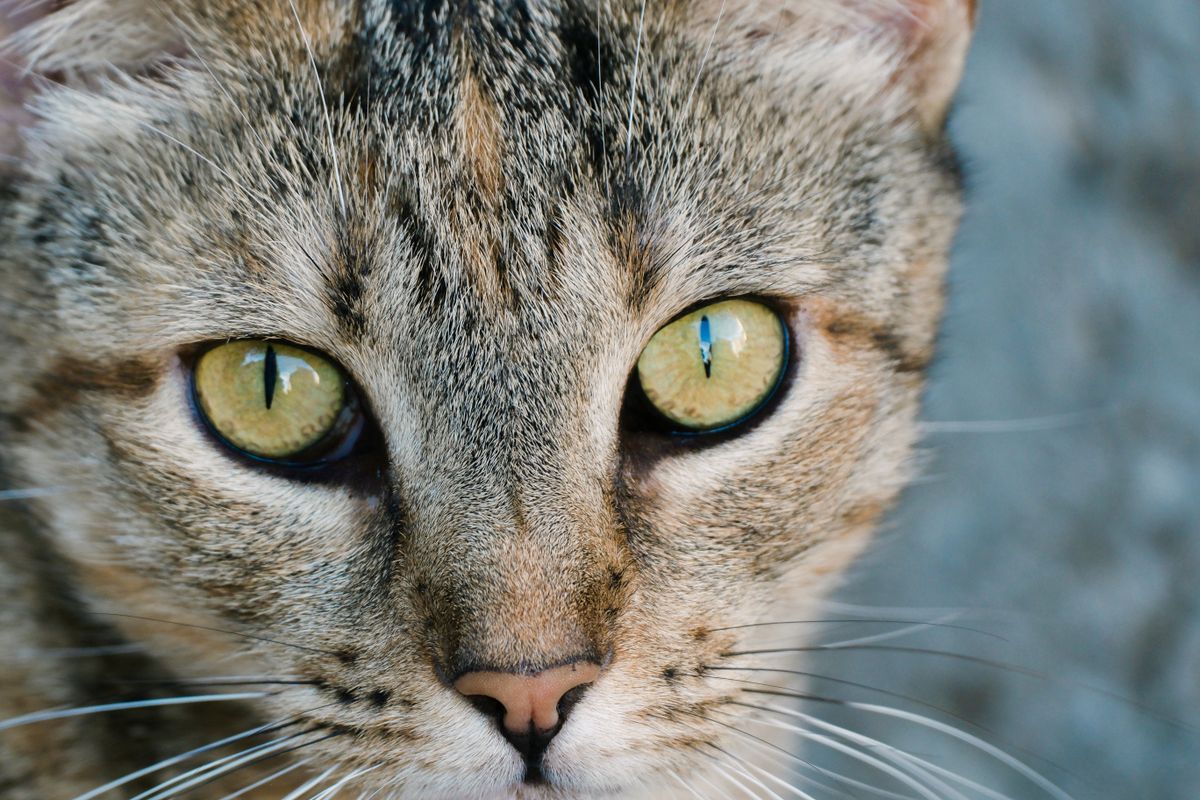
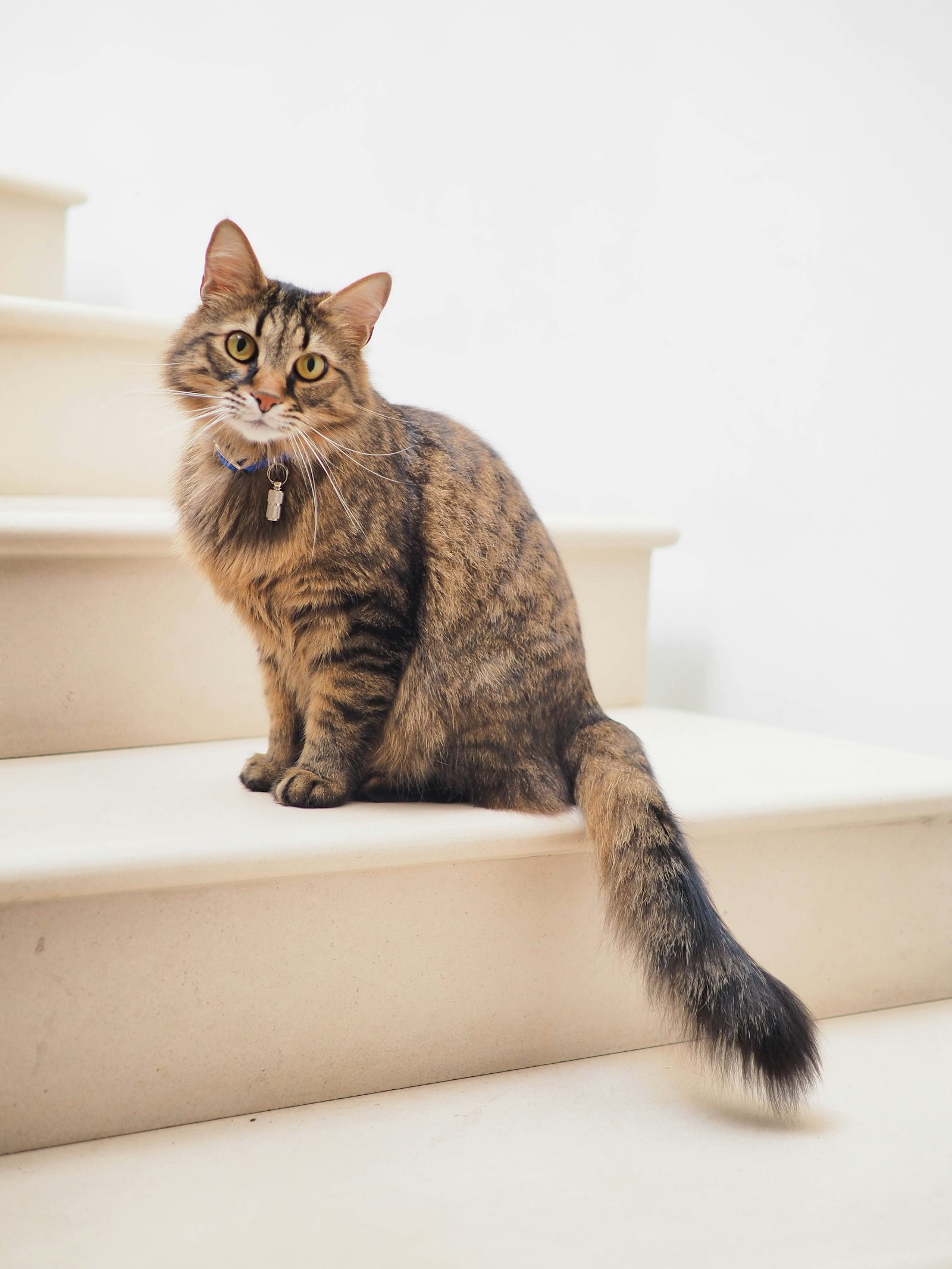
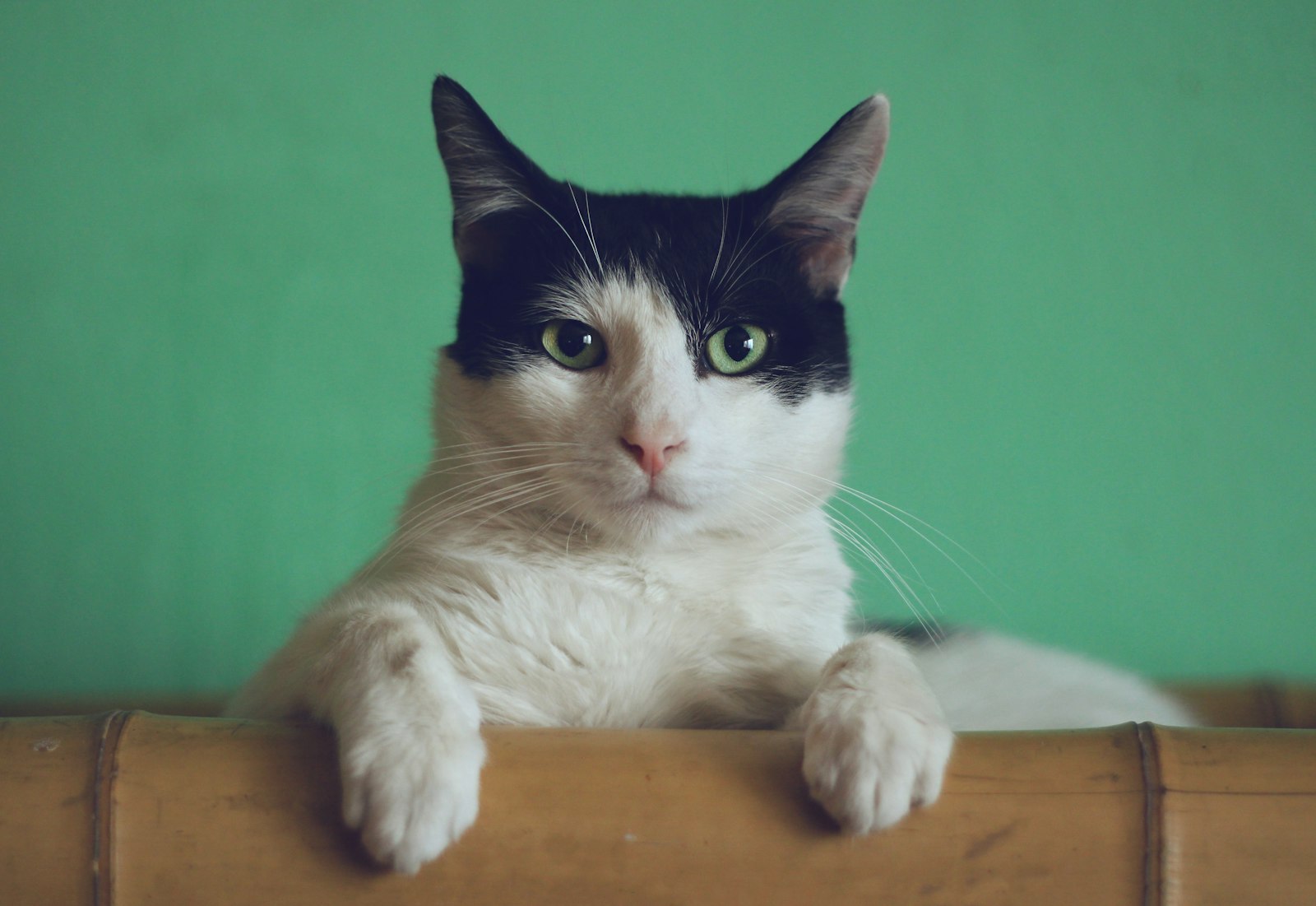
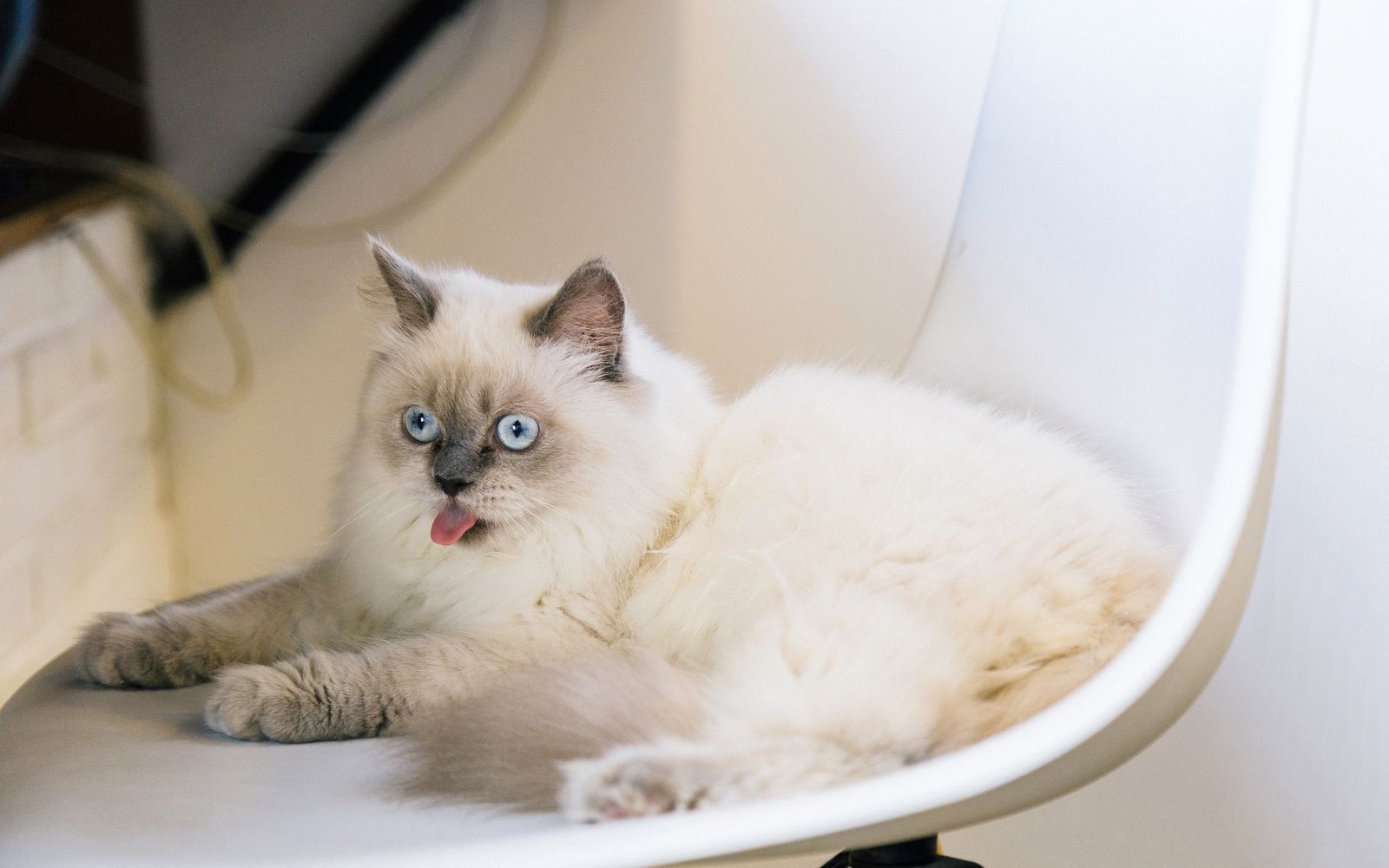
A relaxed cat has a soft body, slow blinks and a loosely curled or upright tail. A stressed cat looks different: a crouched, tense posture, flattened ears, wide eyes with large pupils, a tucked or twitching tail, and whiskers pulled back. You may also see frozen stillness or sudden bursts of movement. These signals overlap with how to tell if your cat is upset with you, so it is worth reading them together.
Behavior changes that signal stress
Beyond posture, stress often shows up in daily habits:
- Hiding more than usual or refusing to come out even for food.
- Changes in appetite, eating much less or, sometimes, much more.
- Over-grooming, especially licking one spot until the fur thins.
- Litter box problems, such as going outside the box or straining.
- More meowing, hissing or aggression, or the opposite, unusual silence.
- Less play and interaction, a normally social cat becoming distant.
A single off day is rarely a worry. A pattern that lasts several days is your cue to look closer. Sometimes what reads as stress is actually jealousy, which we cover in do cats get jealous.
How to help a stressed cat
Start by finding and reducing the trigger where you can. Then make the environment feel safe: give your cat quiet hiding spots and a high perch, keep the litter box clean and in a calm corner, and hold feeding and play times steady. Vertical space and routine do a lot of the work. Interactive play every day burns nervous energy and rebuilds confidence.
If the stress follows a big change like a move, give it time and go slowly, in the same spirit as helping your cat settle into a new home. Never punish a stressed cat; it only adds to the fear. Calming aids like pheromone diffusers can help in tense periods.
When to see a vet
Some stress signs overlap with illness. Over-grooming, litter box trouble and appetite loss can all have medical causes, so if the behavior is new, severe or lasting more than a few days, book a check-up. Ruling out a health issue is always the first step, and the same logic applies to dogs, as in signs of stress in dogs.
The bottom line
Stress in cats is quiet, but it is readable once you know the signals: tense body language, hiding, over-grooming and changes in eating or litter habits. Notice the pattern early, remove what you can, keep the routine steady, and give your cat safe spaces to retreat to. A calm, predictable home is the single best thing you can offer an anxious cat.
Book trusted, verified London caregivers in seconds.