Cats are masters at hiding discomfort, which is exactly why stress in cats so often goes unnoticed until it shows up as a behaviour problem or a health issue. Learning to read the early signals lets you step in before a nervous cat becomes an unwell one. Here is what to look for and how to help.
Why cats hide their stress
In the wild, showing weakness attracts predators, so cats instinctively mask discomfort. A stressed cat rarely "complains" in an obvious way. Instead, the signs are subtle shifts in body language and routine, and it is the owner who notices them first. This is one reason it helps to understand how to tell if your cat is upset with you.
Body language signals
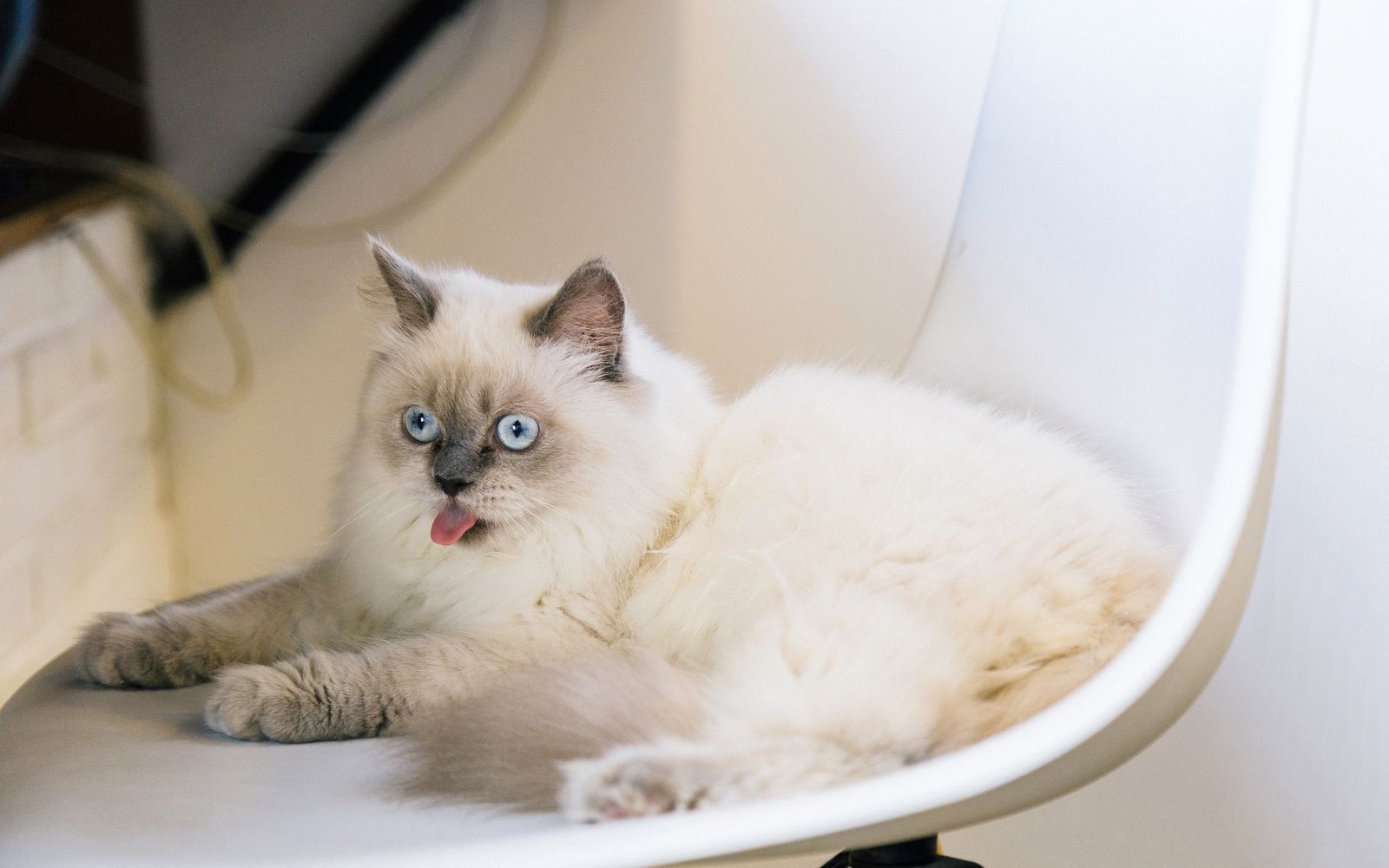
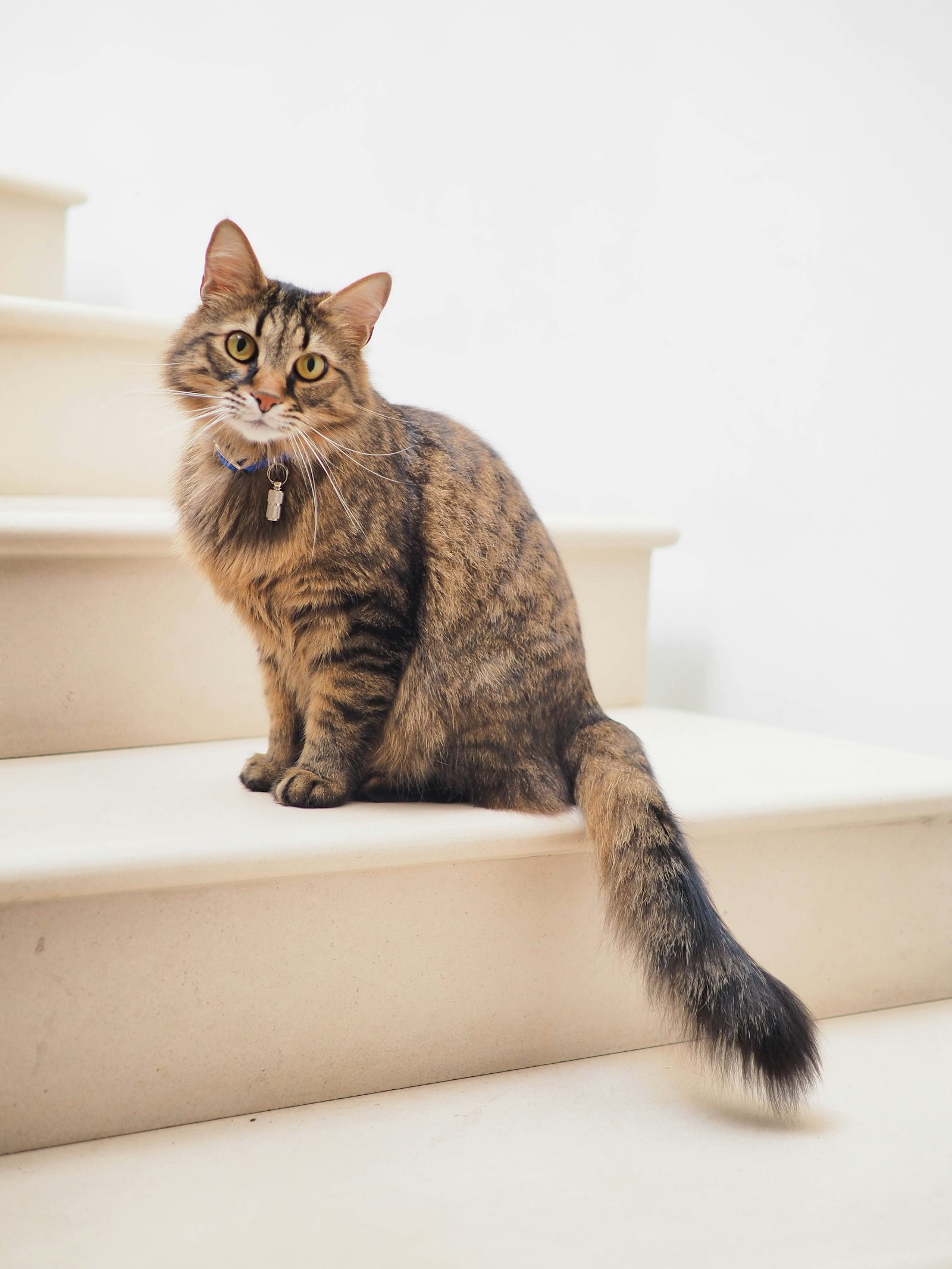
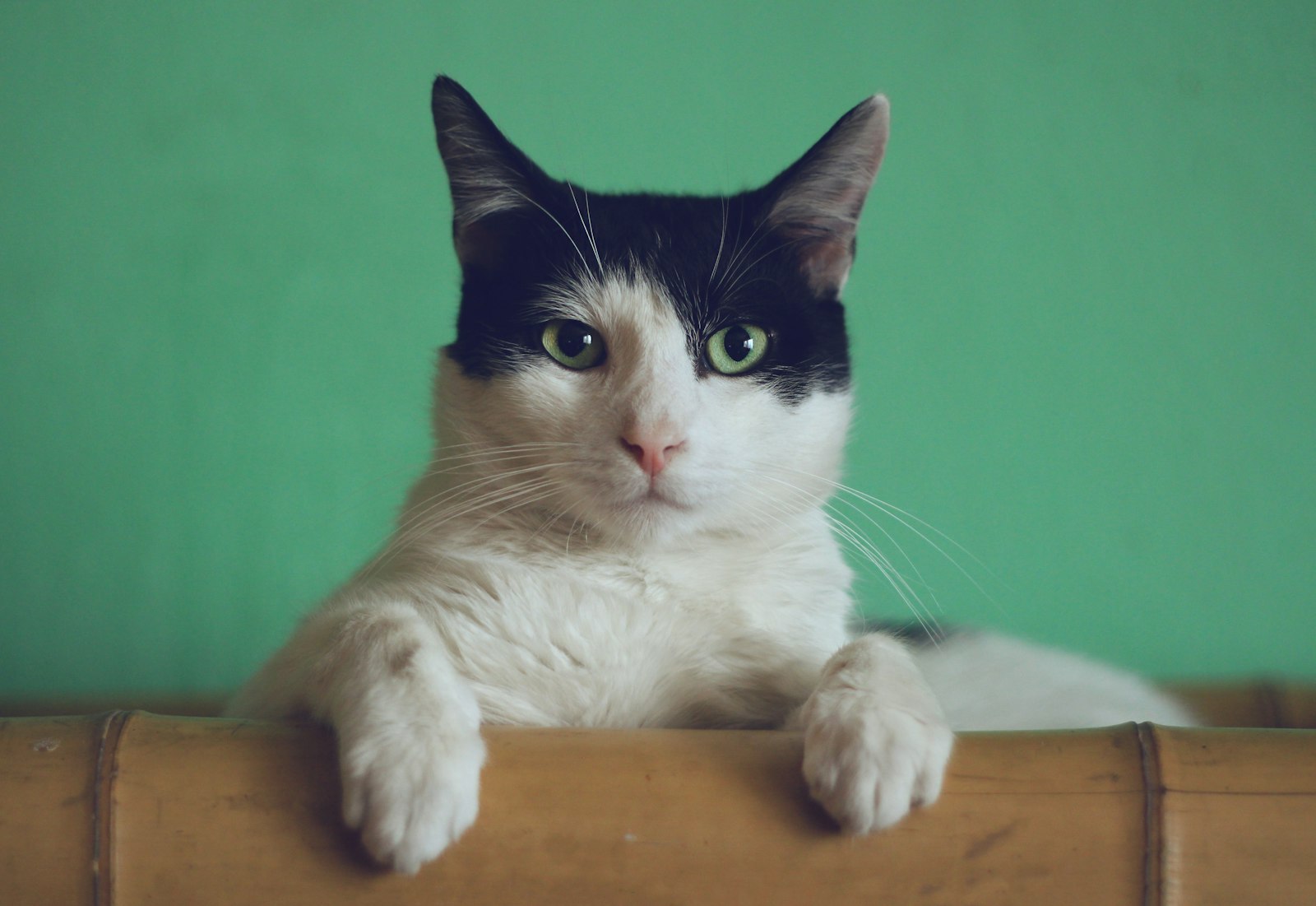
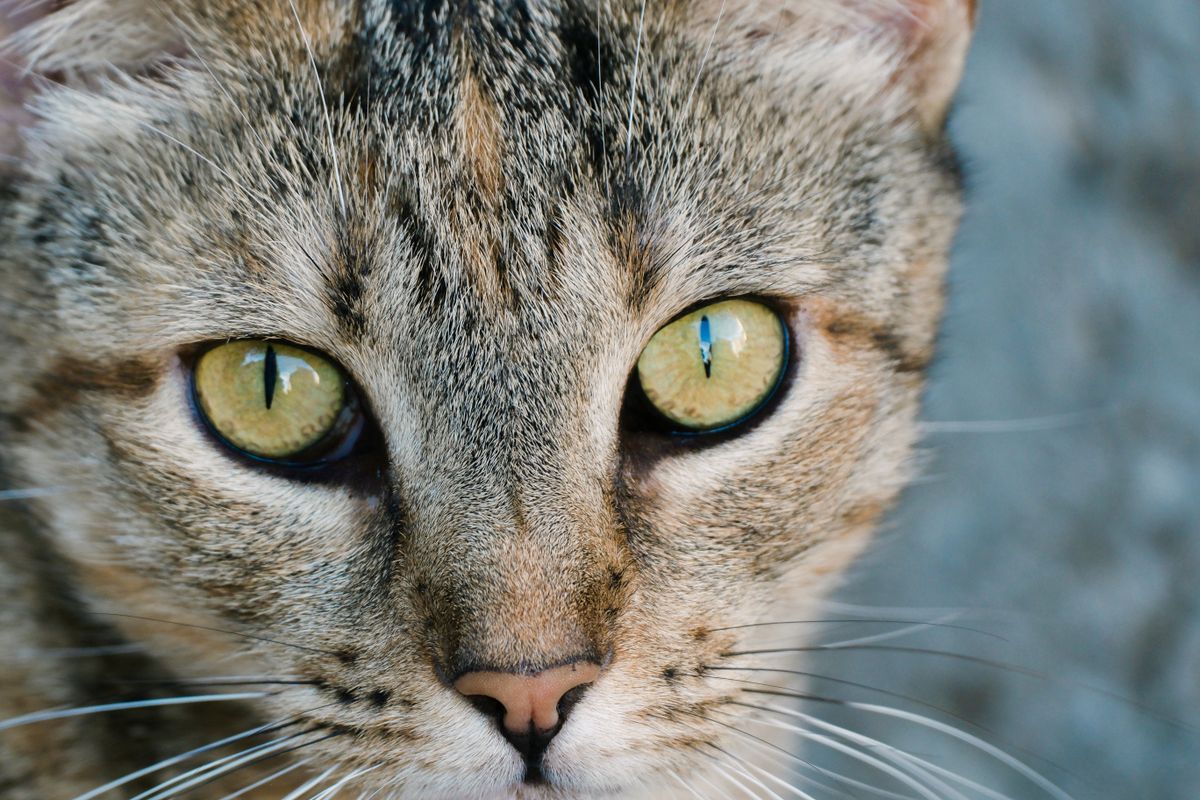
Watch the whole body, not just the face. Common stress signals include a tense, crouched posture, ears flattened or swivelling, a tail held low or tucked, dilated pupils and stiff whiskers pulled back. A cat that suddenly freezes, or one that cannot settle and keeps shifting position, is often uneasy rather than relaxed.
Changes in behaviour and routine
Behaviour tells you as much as posture. Hiding more than usual, eating less, over-grooming to the point of bald patches, sudden aggression or clinginess, and litter box problems are all classic stress responses. If a normally sociable cat starts avoiding people, treat it as a message rather than bad manners.
Common triggers of stress in cats
Cats value predictability, so stress usually traces back to a change: a house move, new furniture, a new pet or baby, loud building work, or a shift in your schedule. Being left alone too long is a big one, which is why it helps to know how long you can leave a cat alone and to plan care around it. Even a change you barely notice can feel major to a cat.
How to help a stressed cat
Start by removing or softening the trigger where you can, and keep routines steady. Give your cat safe high perches and quiet hiding spots, keep feeding and play at consistent times, and use gentle, predictable handling, the way you would when learning how to pet a cat properly. Introduce any change slowly, and never punish stress behaviour, it only raises the tension. If signs persist or you see physical symptoms, consult a vet.
How a calm sitter keeps stress down
When you are away, an unfamiliar routine is often what tips a cat into stress. A calm, experienced sitter who follows your cat's normal schedule at home is far less disruptive than a boarding kennel. Through Flat4Pet you can find a sitter, share your cat's routine and triggers in advance, and get updates that show your cat is coping while you are gone.
Frequently Asked Questions
What are the first signs of stress in a cat? Usually subtle ones: hiding more, eating less, a tense crouched posture, flattened ears and changes in litter box habits.
Can stress make my cat ill? Yes. Ongoing stress can trigger over-grooming, digestive upsets and urinary problems, so persistent signs are worth a vet visit.
How can I calm a stressed cat quickly? Reduce the trigger, keep your voice and movements gentle, and give the cat a quiet, safe place to retreat to rather than forcing interaction.
Going away and worried about your cat's nerves? Book a calm, vetted sitter through the Flat4Pet app and keep your cat's routine steady at home.
Book trusted, verified London caregivers in seconds.